.webp)
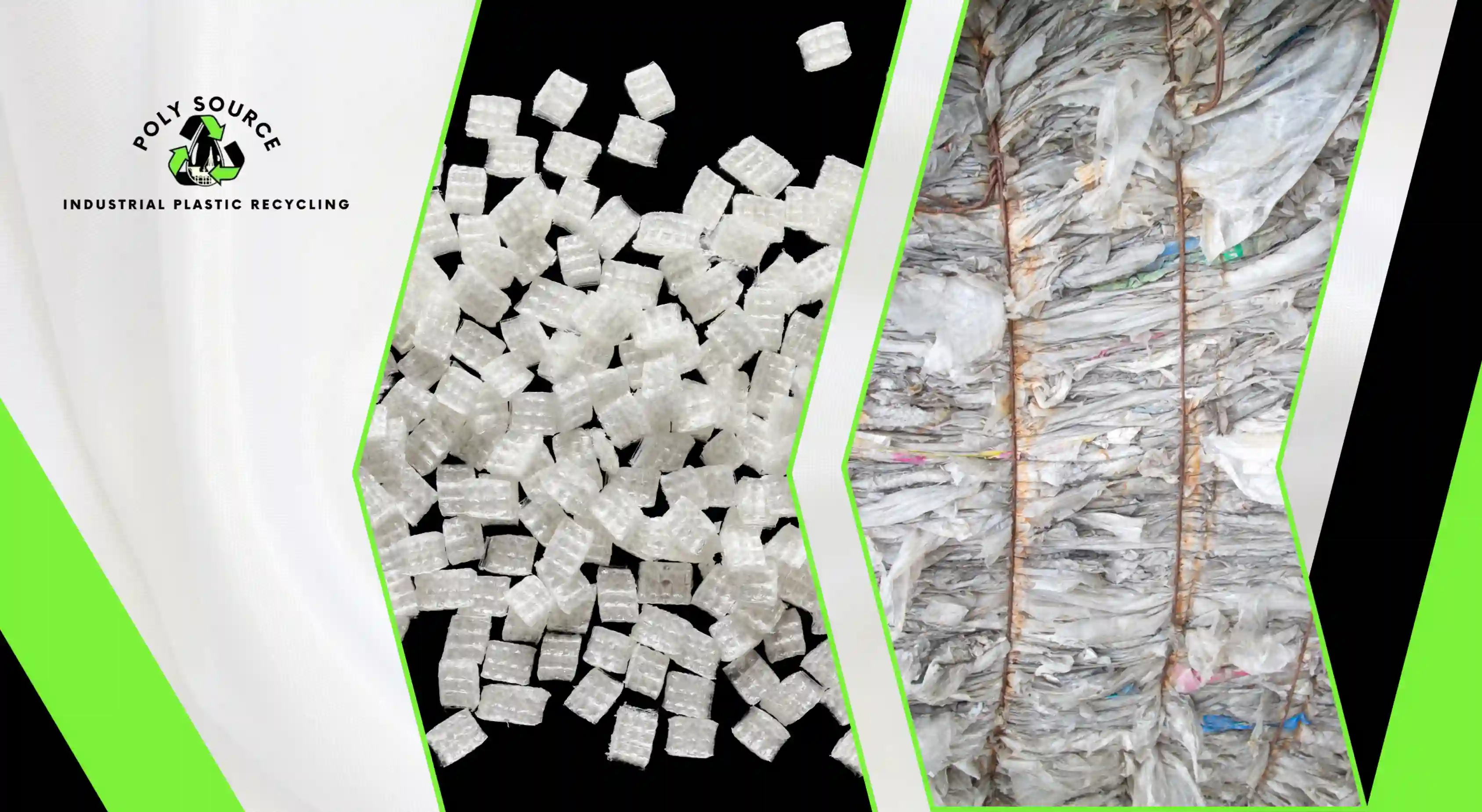
BOPP scrap is one of those materials that has real value sitting on docks across the country, but only if it is handled right. Converters generate it continuously. Printers produce it on every job. Packaging operations accumulate rolls, trim, and reject material that needs to go somewhere. When that scrap is properly sorted and described, it feeds into recycling streams that produce usable polypropylene resin. When it is not, it sits in a warehouse or gets landfilled.
I deal with both sides of this market at Poly Source. We buy BOPP scrap from operations across the U.S. and we sell recycled resin to manufacturers who need consistent material. This guide covers what the BOPP scrap market looks like right now, what makes material valuable, what kills its value, and how both buyers and sellers can navigate this space without getting burned.
Key Takeaways
- BOPP scrap has solid market value when it is clean, single-type, and consistently available. Converters and printers sit on valuable material they often undervalue.
- Post-industrial BOPP scrap (edge trim, reject rolls, start-up waste) is cleaner, more consistent, and worth more than post-consumer material.
- Plain unprinted BOPP commands a premium. Printed, metallized, and laminated scrap is harder to recycle and trades at a discount.
- BOPP scrap pricing moves with virgin PP resin markets, oil prices, and regional demand. Consistent supply relationships provide price stability for both sides.
- Quality checks for purity, moisture, color, and contamination level should happen before any transaction. Bad material wastes everyone's time.
- Clean BOPP scrap recycles into PP pellets used in injection molding, extrusion, and compounding applications.
Why BOPP Scrap Matters
BOPP (biaxially oriented polypropylene) is one of the highest-volume flexible packaging films in the world. It goes into snack bags, labels, overwraps, tapes, lamination, and a long list of industrial applications. Any time this material is manufactured or converted, scrap gets generated. Edge trim, start-up waste, off-spec rolls, skeleton waste, and end-of-run material all pile up.
That scrap has value. It is polypropylene, and clean PP scrap feeds into recycling streams that produce resin pellets for manufacturing. The demand for recycled PP is real, driven by both cost considerations and growing interest in incorporating recycled content into products.
But BOPP scrap is not all the same. The type, condition, and consistency of the material determine whether it is a valuable feedstock or a headache. Understanding the differences is the first step to navigating this market effectively. For a deeper look at what BOPP is and how it performs, our BOPP material guide covers the full picture.
Types of BOPP Scrap and Where They Originate
Not all BOPP scrap recycles the same way. Here are the main types I see moving through the market.
- Plain (clear) BOPP trim: Edge trim and skeleton waste from converting lines running unprinted, unmetallized film. This is the highest-value BOPP scrap because it is the cleanest to recycle.
- Printed BOPP scrap: Trim and reject material from printing operations. The ink adds contamination that must be managed during reprocessing. Value depends on ink type and coverage.
- Metallized BOPP scrap: Film coated with a thin aluminum layer for barrier properties. The metal layer complicates recycling and reduces value compared to plain BOPP.
- Heat-sealable BOPP trim: Coextruded film with a sealant layer. Recycles reasonably well since both layers are PP-based, but the sealant layer affects melt behavior.
- Laminated BOPP scrap: Film bonded to other materials like LDPE, CPP, or aluminum foil. Multi-material laminates are the hardest BOPP scrap to recycle and carry the lowest value.
- Off-spec and reject rolls: Full or partial rolls that did not meet spec for the intended customer. These can be very valuable if the base film is clean and single-type.
The source matters too. Converting operations, label printers, tape manufacturers, and packaging companies all generate BOPP scrap with different characteristics. A tape converter's scrap looks different from a food packaging printer's scrap, and the recycling pathway is different for each.
Post-Industrial vs Post-Consumer BOPP
This distinction is critical in the BOPP scrap market because it drives both pricing and what the recycled output can be used for.
| Factor | Post-Industrial BOPP | Post-Consumer BOPP |
|---|---|---|
| Source | Converting lines, printers, tape makers | Used packaging, labels from consumer products |
| Typical forms | Rolls, trim, skeleton waste, reject rolls | Mixed film from collection programs |
| Purity | High - usually single film type | Low - mixed with other films and materials |
| Contamination | Ink, adhesive residue (manageable) | Food residue, labels, mixed resins, dirt |
| Sorting difficulty | Low | High |
| Market value | Higher | Lower |
| Recycled output quality | Closer to virgin spec | More variable |
Post-industrial BOPP is the backbone of the recycled BOPP supply chain. It is what we primarily buy at Poly Source because it produces the most consistent recycled resin. Post-consumer BOPP film recovery is growing but still represents a small fraction of the overall stream due to sorting challenges.
What Drives BOPP Scrap Pricing
BOPP scrap does not trade in a vacuum. Several factors push pricing up or down.
- Virgin PP resin price: When virgin PP is cheap, recycled PP and BOPP scrap values drop because the cost advantage narrows. When virgin PP climbs, scrap becomes more attractive and prices rise.
- Oil and feedstock costs: PP is derived from petroleum. Oil price swings ripple through the entire polypropylene chain, including scrap.
- Scrap type and purity: Plain, unprinted BOPP commands the highest price. Metallized, printed, and laminated scrap trades at progressively lower levels.
- Color: Clear BOPP scrap is worth more than colored. Natural PP pellets can be compounded to any color, which gives processors flexibility.
- Volume and consistency: A steady monthly supply from a single source is more valuable than a one-time cleanout of mixed material. Consistent supply allows processors to plan and commit capacity.
- Regional demand: Proximity to recycling infrastructure affects freight costs and therefore net scrap value. Operations closer to processors net more per pound.
The market fluctuates. That is the nature of commodity plastics. But building a relationship with a buyer who knows the material and can move it efficiently smooths out the ups and downs. Check our areas serviced to see where we operate.
Quality Checks Before You Buy or Sell
Whether you are buying recycled BOPP resin or selling scrap, quality verification prevents problems.
For sellers:
- Know exactly what you have. Is it plain, printed, metallized, or laminated? Mixing types in a single load reduces the value of the entire load.
- Keep it dry. Film stored outdoors or in leaky warehouses picks up moisture and degrades.
- Remove non-BOPP materials. Tape, cores, strapping, shrink wrap, and miscellaneous trash mixed into BOPP bales reduce value and can get loads rejected.
- Take clear photos. Show the film type, how it is packed, and any visible contamination. This saves time during evaluation.
For buyers of recycled BOPP resin:
- Request melt flow index (MFI) data for each lot. MFI determines how the material will behave in your processing equipment.
- Check for color consistency. Color drift within a lot indicates feedstock variation during the recycling run.
- Inspect for gels, specks, and black spots. These indicate contamination or degradation in the recycled feedstock.
- Run a trial on your production equipment before committing to volume.
Our quality control guide goes deeper into the testing and process controls that keep recycled resin on spec.
Contamination Risks in Recycled BOPP
Contamination is the number one value killer in the BOPP scrap market. Here is what I watch for.
Ink and coatings: Printed BOPP carries ink that must be managed during reprocessing. Heavy-coverage print with multiple colors is harder to process than single-color or light print. Some ink systems cause more discoloration in the recycled pellet than others.
Metallization: The thin aluminum layer on metallized BOPP introduces metal contamination into the PP recycling stream. It shows up as specks in the finished pellet. Processors who accept metallized scrap typically process it separately and sell the output for applications where appearance is less critical.
Adhesive residue: BOPP used in label and tape applications carries adhesive that fouls screen packs during extrusion. This is one of the most frustrating contamination issues because it is hard to wash off completely.
Cross-material contamination: BOPP mixed with PE film, polystyrene, paper, or other materials creates processing problems. Different resins have different melt points and do not blend well.
Moisture: Wet film causes foaming and surface defects during extrusion. Film scrap needs to be stored dry and processed quickly if it has been exposed to weather.
Every one of these contamination issues can be managed with proper sorting, handling, and honest communication between buyer and seller. The problems happen when material is mislabeled or when someone tries to hide bad material in the middle of a load.
How BOPP Scrap Gets Recycled
BOPP is polypropylene, so it processes through standard PP recycling infrastructure. The typical mechanical recycling path looks like this:
- Sorting: BOPP scrap is separated by type (plain, printed, metallized) and inspected for contamination.
- Shredding: The film is reduced to flake or chip form for consistent feeding.
- Washing: Flake is washed to remove ink, adhesive, dirt, and surface contaminants. Hot wash with caustic is typical for printed or contaminated material.
- Drying: Washed flake is dried to bring moisture below acceptable levels for extrusion.
- Extrusion and filtration: Dried flake is melted in an extruder and pushed through screen packs to filter particulates. Screen mesh size is a balancing act between filtration quality and throughput.
- Pelletizing: The filtered melt is cut into uniform pellets, cooled, and bagged for shipment.
The output is recycled PP resin that can be used in injection molding, extrusion, and compounding. The quality depends entirely on how clean the input was and how well each step was controlled. Our PP recycling guide covers the full process in more detail.
Building a Reliable BOPP Scrap Supply Chain
Whether you are buying or selling, consistency beats one-off deals in this market.
For sellers generating BOPP scrap: Find a buyer who understands your material, can handle your volume on a regular schedule, and will give you honest pricing. A steady relationship means your scrap gets picked up reliably and you do not have to shop the market every time you fill a gaylord. Tell your buyer when your material changes. If you switch film types, start running a new job, or change ink systems, let them know so they can adjust.
For buyers sourcing recycled BOPP resin: Work with a supplier who can provide consistent lots over time, not just a spot deal. Ask about their feedstock sources and quality controls. If the supplier cannot tell you where their material comes from and how they test it, find one who can.
At Poly Source, we work both sides. We buy BOPP scrap from converters and packaging operations, and we sell recycled resin to manufacturers who need reliable material. We also handle HDPE, LLDPE, ABS, polycarbonate, nylon 6, and nylon 66. Our case studies show how we have built supply chains that work for both sides.
Where Recycled BOPP Resin Gets Used
Once BOPP scrap is recycled into PP pellets, those pellets find homes across a range of applications.
Injection molding: Household items, storage containers, garden products, and non-appearance-critical parts. Recycled PP from clean BOPP scrap runs well in standard injection molding equipment.
Compounding: Recycled PP serves as a base resin that compounders modify with fillers, colorants, and additives for specific end uses. If you are choosing materials for a compounding application, our guide on choosing the right plastic for manufacturing may help.
Extrusion: Sheet, profile, and non-food-contact film applications can incorporate recycled PP from BOPP sources.
Fiber and textiles: Recycled PP pellets can be spun into fiber for geotextiles, industrial fabrics, and non-woven applications.
Plastic lumber and construction: Lower-grade recycled PP from mixed or contaminated BOPP streams often ends up in structural products where appearance matters less than durability.
The higher the quality of the recycled BOPP feedstock, the wider the range of applications the resulting resin can serve. That is the fundamental reason why sorting, cleaning, and quality control matter so much in this market.
Talk to Us About BOPP Scrap
If you are sitting on a stream of BOPP scrap and you want to know if it is worth moving, send me what you have. Pictures help. So do rough weights, how it is packed, and what it touched. I will tell you straight if it fits, what I would need cleaned up, and the easiest way to get it on a truck. We buy BOPP trim, rolls, and baled film from converters and packaging operations across the country. Get in touch here or browse what we buy and sell.
Frequently Asked Questions
What is BOPP scrap?
BOPP scrap is waste material generated during the manufacturing, converting, or printing of biaxially oriented polypropylene film. It includes edge trim, skeleton waste, start-up rolls, reject rolls, and end-of-run material. Post-consumer BOPP scrap comes from used packaging like snack bags and labels.
Is BOPP scrap recyclable?
Yes. BOPP is polypropylene and can be mechanically recycled into PP pellets through shredding, washing, extrusion, and pelletizing. Clean, post-industrial BOPP scrap recycles most efficiently. Printed, metallized, and laminated variants require additional processing and may produce lower-quality output.
What makes BOPP scrap more or less valuable?
Plain, unprinted BOPP scrap is the most valuable. Printed scrap is worth less due to ink contamination. Metallized and laminated scrap trades at the lowest levels because the non-PP components complicate recycling. Volume, consistency, cleanliness, and how the material is packed all affect pricing.
How does virgin PP pricing affect BOPP scrap value?
When virgin PP is expensive, recycled PP becomes more attractive and BOPP scrap values rise. When virgin PP drops, the cost advantage of recycled material narrows and scrap prices fall. Oil and petrochemical feedstock costs drive these cycles.
What contamination issues should I watch for in BOPP scrap?
The main contamination risks are ink and coatings from printing, aluminum from metallization, adhesive residue from label and tape applications, other resin types mixed into the BOPP stream, and moisture from improper storage. Each of these affects the quality and value of the recycled output.
How do I sell my BOPP scrap?
Contact a buyer who specializes in plastic scrap, like Poly Source. Provide clear photos, a description of the film type (plain, printed, metallized), approximate weight, how it is packed, and whether the material is consistent or a one-time cleanout. The more detail you provide upfront, the faster you will get an accurate evaluation and pricing.
What applications use recycled BOPP resin?
Recycled PP from BOPP sources is used in injection molding, compounding, extrusion, fiber spinning, and plastic lumber production. The specific application depends on the quality of the recycled resin. Higher-quality material from clean post-industrial scrap serves a wider range of end uses.

